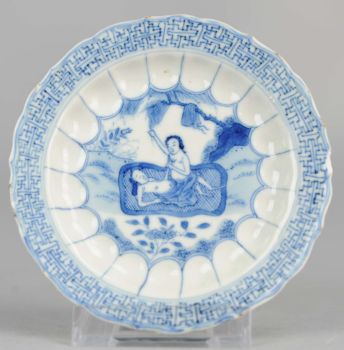
A blue and white ‘Sense of Smell’ dish, Kangxi mark and period, ca. 1700 1700
Artista Desconocido
6.40 cm, ø 34.50 cm
ConditionGood
Precio a consultar
Menken Works of Art
¿Está interesado en comprar esta obra de arte?
Related artworks

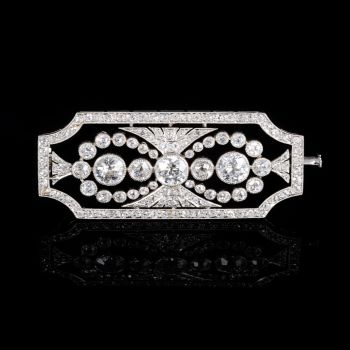
Artista Desconocido
Broche Art Déco temprano1920
Precio a consultarAns Hemke-Kuilboer Juwelier & Antiquair

Artista Desconocido
A Chinese famille verte ‘fishermen’ bowl, Kangxi period (1662-1722)1662 - 1722
Precio a consultarMenken Works of Art

Artista Desconocido
A Chinese powder-blue-ground blue and white ‘Budai’ dish, Kangxi period1662 - 1722
Precio a consultarMenken Works of Art
Artista Desconocido
A Chinese famille verte ‘fishermen’ bowl, Kangxi period (1662-1722)1662 - 1722
Precio a consultarMenken Works of Art
Artista Desconocido
A Chinese powder-blue-ground blue and white ‘Budai’ dish, Kangxi period1662 - 1722
Precio a consultarMenken Works of Art

Artista Desconocido
Set Arita 'dog training' plates, 18th century 1700 - 1730
Precio a consultarVerkoulen Oriental & European Antiques
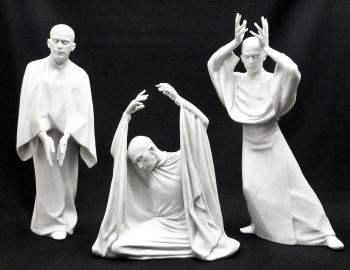


Artista Desconocido
A rare Chinese blue and white bottle vase, Ming dynasty, Wanli period1573 - 1620
Precio a consultarMenken Works of Art


Artista Desconocido
A Chinese famille verte ‘fishermen’ bowl, Kangxi period (1662-1722)1662 - 1722
Precio a consultarMenken Works of Art
Artista Desconocido
A Chinese famille verte ‘fishermen’ bowl, Kangxi period (1662-1722)1662 - 1722
Precio a consultarMenken Works of Art
Artista Desconocido
A Chinese powder-blue-ground blue and white ‘Budai’ dish, Kangxi period1662 - 1722
Precio a consultarMenken Works of Art
Artista Desconocido
A rare Chinese blue and white bottle vase, Ming dynasty, Wanli period1573 - 1620
Precio a consultarMenken Works of Art


Artista Desconocido
A rare Chinese blue and white bottle vase, Ming dynasty, Wanli period1573 - 1620
Precio a consultarMenken Works of Art

Artista Desconocido
Chinese gilt bronze censer, Xuande mark, 18th century, Qing dynasty18th century
Precio a consultarMenken Works of Art
Artista Desconocido
A Chinese famille verte ‘fishermen’ bowl, Kangxi period (1662-1722)1662 - 1722
Precio a consultarMenken Works of Art
Artista Desconocido
A Chinese powder-blue-ground blue and white ‘Budai’ dish, Kangxi period1662 - 1722
Precio a consultarMenken Works of Art

Artista Desconocido
A white jade ‘Lotus Seedpod and Bug’ carving, Qing dynasty, 18th century18th century
Precio a consultarMenken Works of Art

Artista Desconocido
A rare Sawasa ware book-form box and cover, Edo period, early 18th century1700 - 1750
Precio a consultarMenken Works of Art