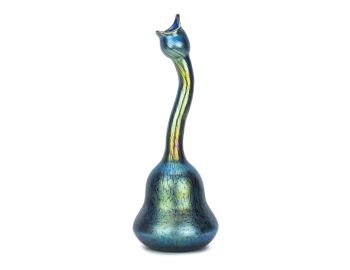
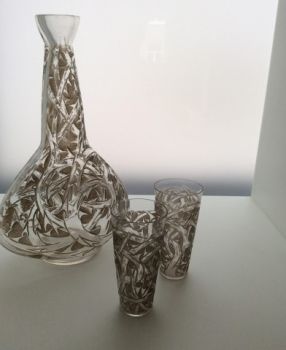
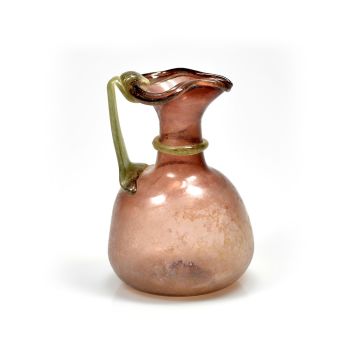
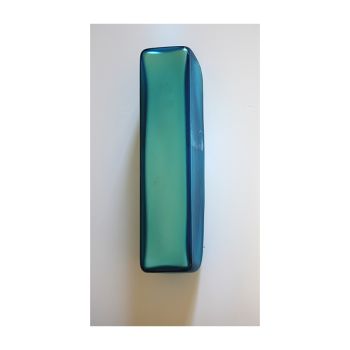
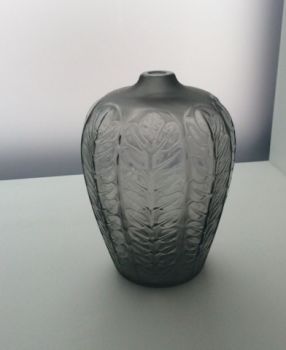
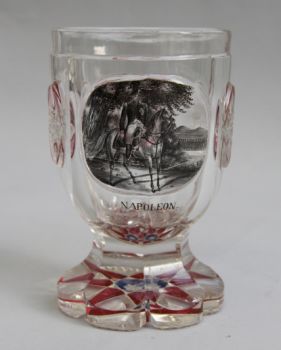
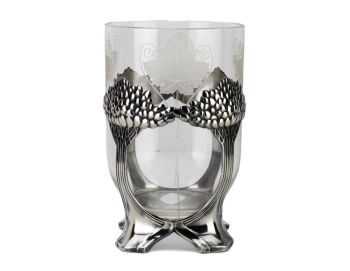
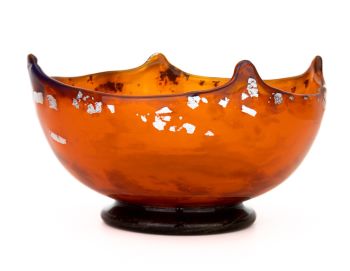
Johann Loetz Witwe – Ausfuehrung 134 with applied Cobalt Papillon snake 1914 - 1918
Johann Loetz (Lötz) Witwe Klostermühle
13 cm, ø 21 cm
ConditionExcellent
Precio a consultar
Antiques Emporium
¿Está interesado en comprar esta obra de arte?
Related artworks

Johann Loetz (Lötz) Witwe Klostermühle
Johann Loetz Witwe – Phänomen Genre 8065 – Thea1899 - 1900
Precio a consultarAntiques Emporium

Johann Loetz (Lötz) Witwe Klostermühle
Johann Loetz Witwe – Phänomen Genre 1/18 vase1901 - 1905
Precio a consultarAntiques Emporium

Johann Loetz (Lötz) Witwe Klostermühle
Johann Loetz Witwe – Phänomen Genre 377- silver overlay1900 - 1902
Precio a consultarAntiques Emporium
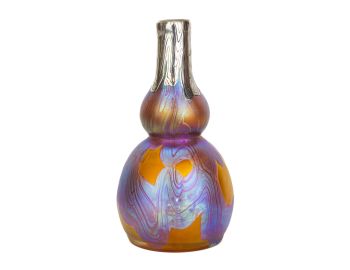
Johann Loetz (Lötz) Witwe Klostermühle
Johann Loetz Witwe - Phänomen Genre 7773 – Orange1900 - 1910
Precio a consultarAntiques Emporium

Johann Loetz (Lötz) Witwe Klostermühle
Johann Loetz Witwe – Phänomen Genre 299 – Tricolor vase1900 - 1902
Precio a consultarAntiques Emporium

Dirk Smorenberg
Zonsondergang boven de Vuntusplas1920 - 1930
Precio a consultarBruning Heintz Fine Art

Artista Desconocido
Antieke Saffier Broche sleutel1920
Precio a consultarAnita Potters Juwelier Antiquair


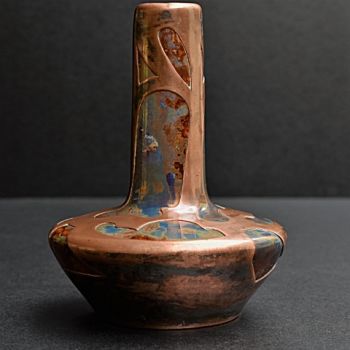


Johann Loetz (Lötz) Witwe Klostermühle
Johann Loetz Witwe – Phänomen Genre 377- silver overlay1900 - 1902
Precio a consultarAntiques Emporium
Johann Loetz (Lötz) Witwe Klostermühle
Johann Loetz Witwe – Phänomen Genre 1/18 vase1901 - 1905
Precio a consultarAntiques Emporium

Johann Loetz (Lötz) Witwe Klostermühle
Johann Loetz Witwe - Phänomen Genre 7773 – Orange1900 - 1910
Precio a consultarAntiques Emporium
Johann Loetz (Lötz) Witwe Klostermühle
Johann Loetz Witwe – Phänomen Genre 8065 – Thea1899 - 1900
Precio a consultarAntiques Emporium
Johann Loetz (Lötz) Witwe Klostermühle
Johann Loetz Witwe – Phänomen Genre 299 – Tricolor vase1900 - 1902
Precio a consultarAntiques Emporium

Rudolf de Bruyn Ouboter
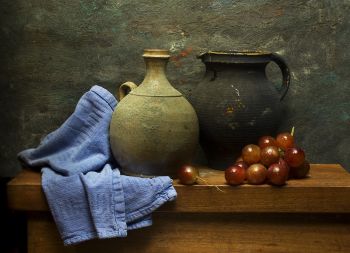
Still life with red bowl, blue salt cellar, weck jar and Japanese print1940 - 1960
Precio a consultarAdelwein Kunst

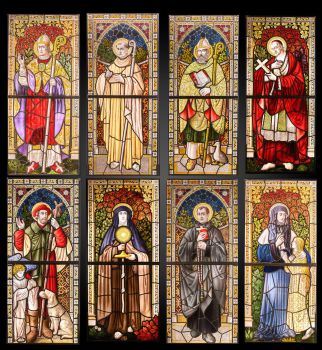
Artista Desconocido
EIGHT NEO-GOTHIC STAINED GLASS WINDOWS WITH SUSPENSION EYELET, 19th C, BELGIUM.1850 - 1900
Precio a consultarSpectandum Gallery

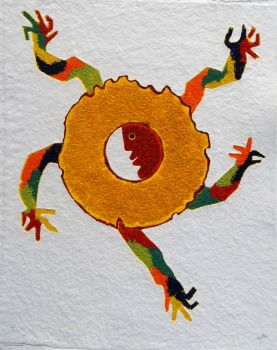


Johann Loetz (Lötz) Witwe Klostermühle
Johann Loetz Witwe - Phänomen Genre 7773 – Orange1900 - 1910
Precio a consultarAntiques Emporium
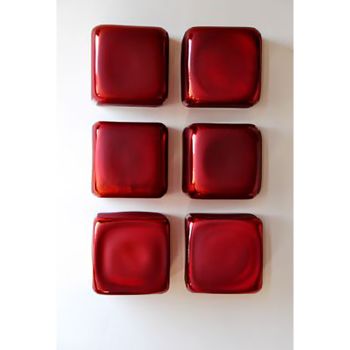

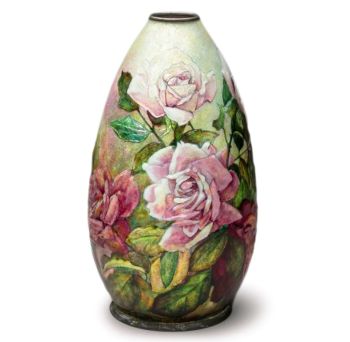

Victor Spinelli
Diver Up - Bronze (Edition of 33)2020 - 2026
Precio a consultarVilla del Arte Galleries


Artista Desconocido
François-Théodore Legras – Tall “Fleurs de Pommier” apple blossoms vase1900 - 1909
Precio a consultarAntiques Emporium
Johann Loetz (Lötz) Witwe Klostermühle
Johann Loetz Witwe – Phänomen Genre 8065 – Thea1899 - 1900
Precio a consultarAntiques Emporium
Johann Loetz (Lötz) Witwe Klostermühle
Johann Loetz Witwe – Phänomen Genre 1/18 vase1901 - 1905
Precio a consultarAntiques Emporium
Johann Loetz (Lötz) Witwe Klostermühle
Johann Loetz Witwe – Phänomen Genre 299 – Tricolor vase1900 - 1902
Precio a consultarAntiques Emporium

Frères Foundry Susse
Auguste Ledru – Gilded Bronze Art Nouveau Ewer-Vase – Susse Frères, Paris1898 - 1902
Precio a consultarAntiques Emporium

Daum Nancy
Daum Nancy – Tall Bryones / Bryonia dioica vase with applied berries1902 - 1907
Precio a consultarAntiques Emporium