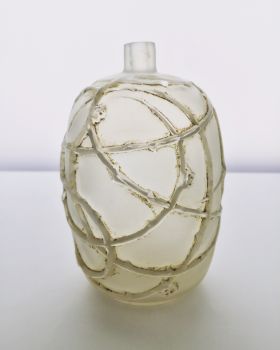
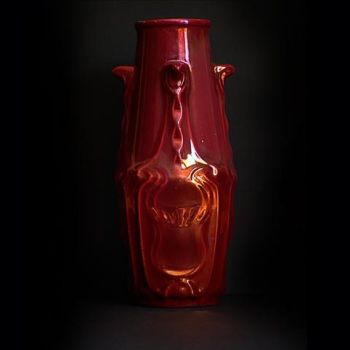
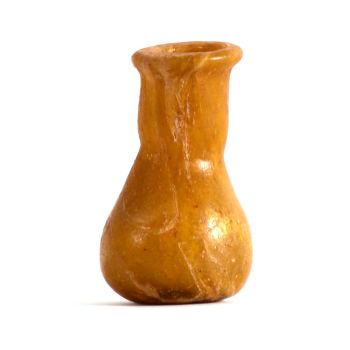
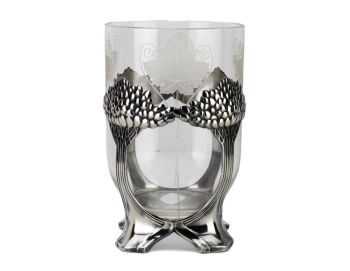
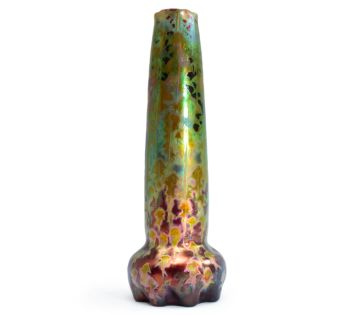
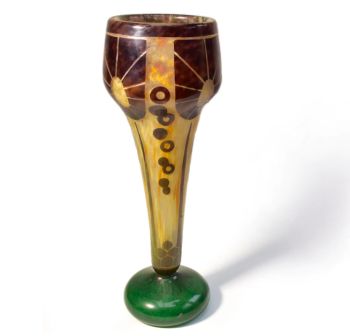
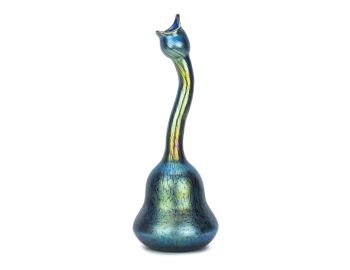
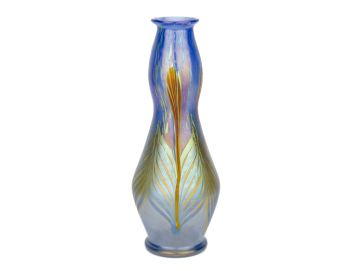
Johann Loetz Witwe – Phänomen Genre 1/473 vase 1901 - 1902
Johann Loetz (Lötz) Witwe Klostermühle
25 cm, ø 13 cm
ConditionExcellent
€ 5.950
Antiques Emporium
¿Está interesado en comprar esta obra de arte?
Related artworks

Johann Loetz (Lötz) Witwe Klostermühle
Johann Loetz Witwe – Phänomen Genre 299 – Tricolor vase1900 - 1902
Precio a consultarAntiques Emporium

Johann Loetz (Lötz) Witwe Klostermühle
Johann Loetz Witwe – Phänomen Genre 1/18 vase1901 - 1905
Precio a consultarAntiques Emporium

Johann Loetz (Lötz) Witwe Klostermühle
Johann Loetz Witwe – Phänomen Genre 377- silver overlay1900 - 1902
Precio a consultarAntiques Emporium
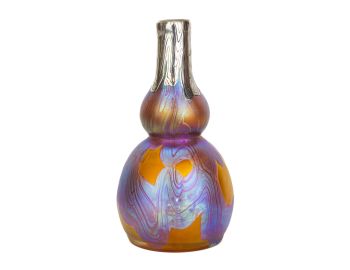
Johann Loetz (Lötz) Witwe Klostermühle
Johann Loetz Witwe - Phänomen Genre 7773 – Orange1900 - 1910
Precio a consultarAntiques Emporium

Johann Loetz (Lötz) Witwe Klostermühle
Johann Loetz Witwe – Phänomen Genre 8065 – Thea1899 - 1900
Precio a consultarAntiques Emporium
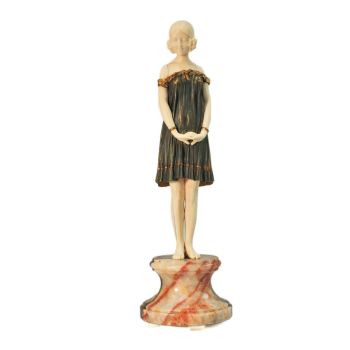


Johann Loetz (Lötz) Witwe Klostermühle
Johann Loetz Witwe – Phänomen Genre 8065 – Thea1899 - 1900
Precio a consultarAntiques Emporium
Johann Loetz (Lötz) Witwe Klostermühle
Johann Loetz Witwe – Phänomen Genre 299 – Tricolor vase1900 - 1902
Precio a consultarAntiques Emporium


Artista Desconocido
A rare Chinese blue and white bottle vase, Ming dynasty, Wanli period1573 - 1620
Precio a consultarMenken Works of Art


Johann Loetz (Lötz) Witwe Klostermühle
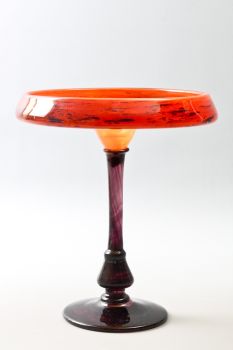
Johann Loetz Witwe – Phänomen Genre 299 – Tricolor vase1900 - 1902
Precio a consultarAntiques Emporium



Jan Sluijters
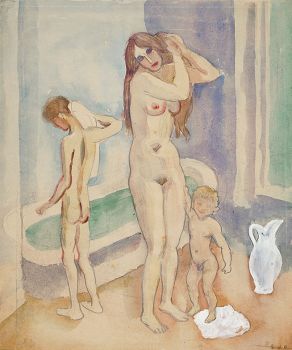
Mother with two children in bathroom1900 - 1950
Precio a consultarStudio 2000 Art Gallery




Daum Nancy
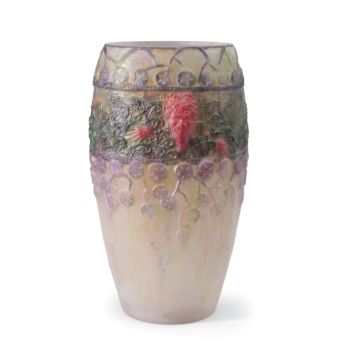
Daum Nancy – Tall Bryones / Bryonia dioica vase with applied berries1902 - 1907
Precio a consultarAntiques Emporium

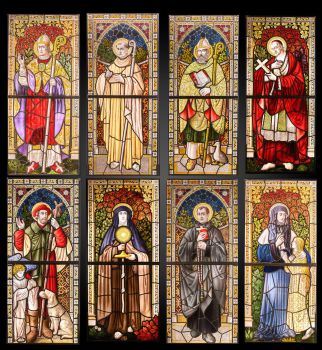
Artista Desconocido
EIGHT NEO-GOTHIC STAINED GLASS WINDOWS WITH SUSPENSION EYELET, 19th C, BELGIUM.1850 - 1900
Precio a consultarSpectandum Gallery


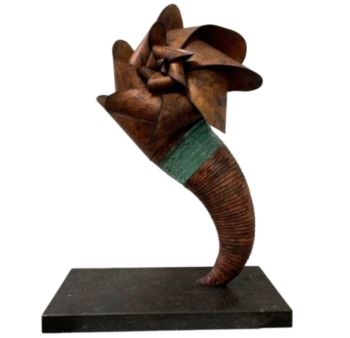

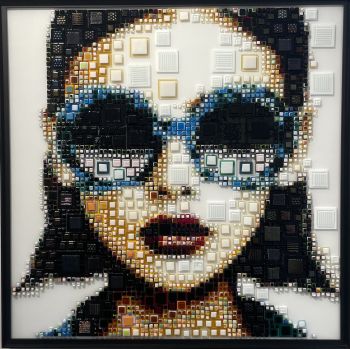

Johann Loetz (Lötz) Witwe Klostermühle
Johann Loetz Witwe - Phänomen Genre 7773 – Orange1900 - 1910
Precio a consultarAntiques Emporium

Johann Loetz (Lötz) Witwe Klostermühle
Johann Loetz Witwe – Phänomen Genre 377- silver overlay1900 - 1902
Precio a consultarAntiques Emporium
Johann Loetz (Lötz) Witwe Klostermühle
Johann Loetz Witwe – Phänomen Genre 8065 – Thea1899 - 1900
Precio a consultarAntiques Emporium
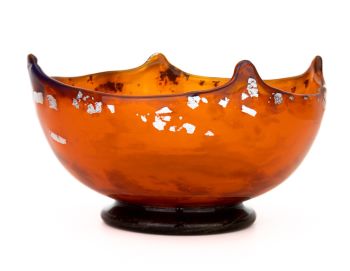
Johann Loetz (Lötz) Witwe Klostermühle
Johann Loetz Witwe – Phänomen Genre 1/18 vase1901 - 1905
Precio a consultarAntiques Emporium
Johann Loetz (Lötz) Witwe Klostermühle
Johann Loetz Witwe - Phänomen Genre 7773 – Orange1900 - 1910
Precio a consultarAntiques Emporium
Daum Nancy
Daum Nancy – Tall Bryones / Bryonia dioica vase with applied berries1902 - 1907
Precio a consultarAntiques Emporium

Artista Desconocido
François-Théodore Legras – Tall “Fleurs de Pommier” apple blossoms vase1900 - 1909
Precio a consultarAntiques Emporium

![“Tentation” [temptation], lithograph by Eugène Grasset](https://media-3.gallerease.com/images/b891f1b8-508a-4829-a559-a56b7f765ca7/350x350/tentation-temptation-lithograph.jpg)