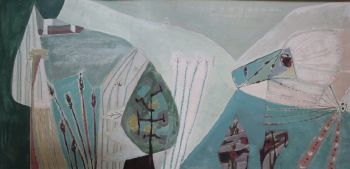
Rafael Illana Díez nació en Barcelona en 1940 y se convirtió en un artista versátil y colorido dentro del panorama artístico español e internacional. Su formación artística tuvo lugar en la Academia Baixas de Barcelona y posteriormente en la famosa Grande Chaumière de París, cuna de los artistas de vanguardia europeos.
En 1964, Illana recibió el prestigioso Premio de Dibujo del Cercle Maillol, al que siguió una beca del gobierno francés. Este reconocimiento marcó el inicio de una carrera internacional, con exposiciones en la galería Kira de Palma de Mallorca (1963), entre otras, y posteriormente en Madrid, Barcelona, Valencia, León, Frankfurt, Múnich y Nueva York. Participó en importantes exposiciones colectivas, como los Salones de Mayo de Barcelona, el Salón de los Independientes de París y Pintores Figurativos de la España de Hoy (Boston y Nueva York, 1970).
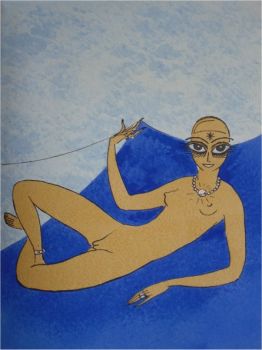
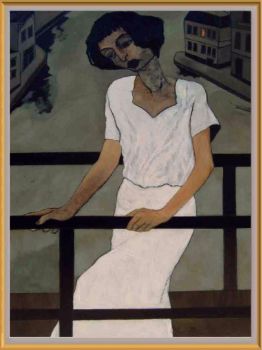
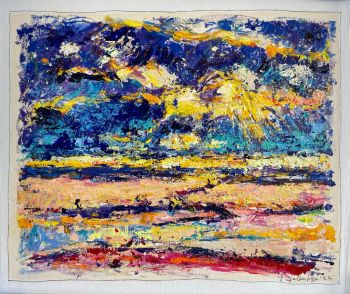
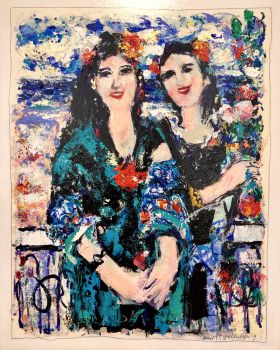
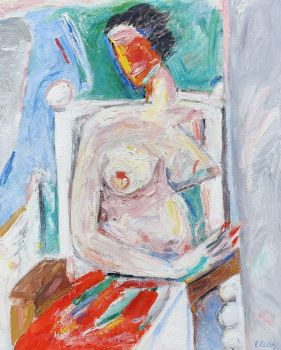
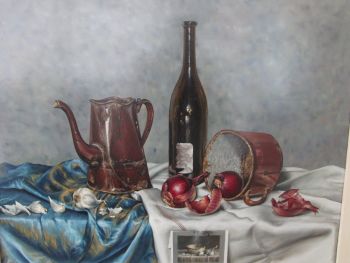
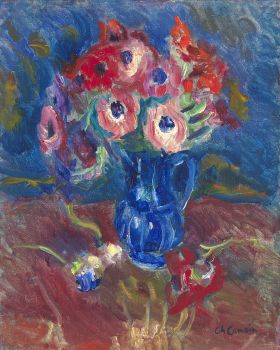
Su obra se mueve en la intersección de la figuración y la magia. El crítico A.M. Campoy resumió acertadamente su estilo: “Detrás de su aparente realismo se esconde un colorismo mágico —expresado en tonos claros y vitales— con el que compone nuevos bodegones con telas estampadas y decorativas fantasías infantiles que forman una alegre parodia de la seria tradición velazqueña”.
Las pinturas de Illana han ganado varios premios, entre ellos el primer premio en el III Certamen Juvenil de Arte y una mención de honor en la IV Bienal Ciudad de Tarrasa. Su obra forma parte actualmente de colecciones como la de la Frankfurter Kunsthalle y sigue siendo valorada internacionalmente por su uso original del color y su sutil ironía.


























!["SKIMMING THE WATER [MENAGE A QUATRE]" Signed book plus small artwork by LAWRENCE WEINER](https://media-2.gallerease.com/images/442bfd5f-fc31-4e18-a2fa-ee0c08eade64/350x350/skimming-the-water-menage-a-quatre-signed-book-plus-small-artwork.jpg)