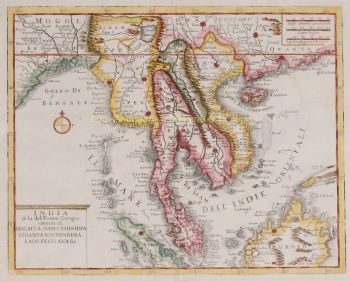
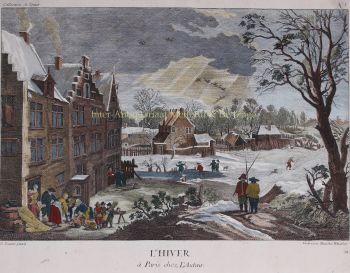
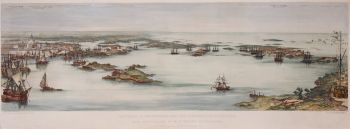
Puede suceder que un artista o creador sea desconocido.
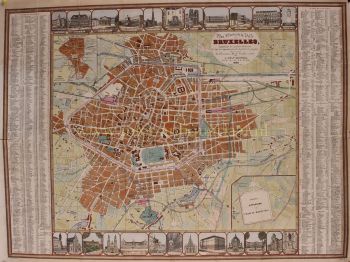
Algunas obras no deben determinarse por quién está hecho o por (un grupo de) artesanos. Algunos ejemplos son estatuas de la Antigüedad, muebles, espejos o firmas que no son claras o legibles, pero también algunas obras no están firmadas en absoluto.
También puedes encontrar la siguiente descripción:
•"Atribuido a …." En su opinión, probablemente una obra del artista, al menos en parte.
•“Estudio de….” o “Taller de” En su opinión, una obra ejecutada en el estudio o taller del artista, posiblemente bajo su supervisión
•“Círculo de…” En su opinión, una obra del período del artista que muestra su influencia, estrechamente asociado con el artista pero no necesariamente su alumno.
•"Estilo de …." o “Seguidor de…”. En su opinión, una obra ejecutada al estilo del artista pero no necesariamente por un alumno; puede ser contemporáneo o casi contemporáneo
•"Manera de …." En su opinión una obra al estilo del artista pero de fecha posterior
•"Después …." En su opinión, una copia (de cualquier fecha) de una obra del artista
•“Firmado…”, “Fechado…” o “Inscrito” En su opinión, la obra ha sido firmada/fechada/inscrita por el artista. La adición de un signo de interrogación indica un elemento de duda.
•“Con firma…”, “Con fecha…”, “Con inscripción…” o “Lleva firma/fecha/inscripción” en su opinión la firma/fecha/inscripción ha sido añadida por alguien que no es el artista










![RARE ARMORIAL MAP: LEO BRABANTIAE Lion of the most noble Duchy of Brabant] by Sibertus Waterloos](https://media-3.gallerease.com/images/325cc033-a3b6-495f-9da8-6d06caf29b14/350x350/rare-armorial-map-leo-brabantiae-lion-of-the-most-noble-duchy-of-brabant.jpg)