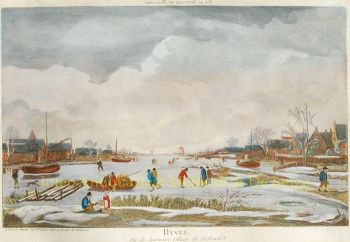
Janssonius nació en Arnhem como hijo de Jan Jansz, impresor y editor allí. A una edad temprana se mudó a Amsterdam, el entonces centro de la impresión y el comercio de tarjetas. En 1612 se casó con Elisabeth Hondius, hija de Jodocus Hondius. Elisabeth murió en 1627 y Janssonius se volvió a casar en 1629 con Elisabeth Carlier. Se fue a trabajar para su suegro y continuó el negocio editorial junto con Henricus Hondius (hijo de) después de su muerte. Esto se convirtió en uno de los más grandes de su tiempo. Había sucursales en Berlín, Frankfurt, Ginebra, Lyon y Estocolmo, entre otros.
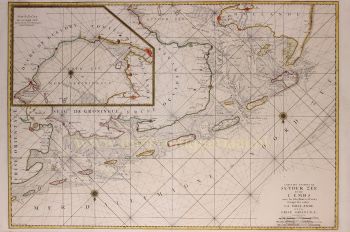
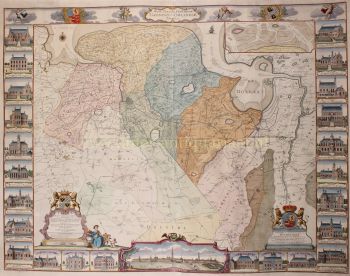
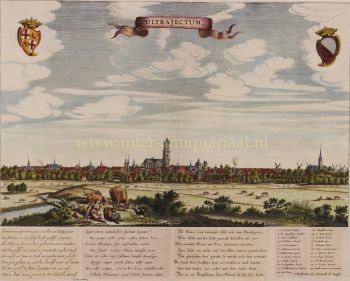
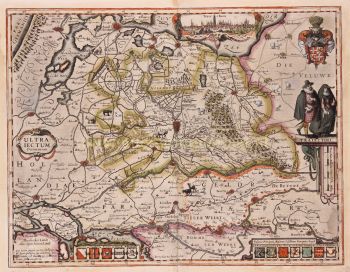
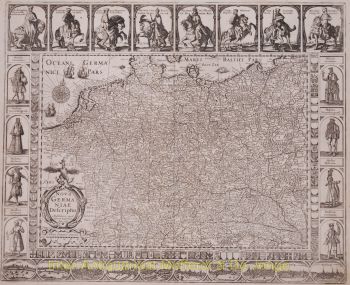
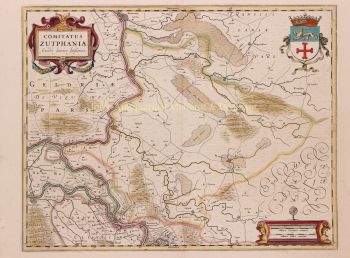
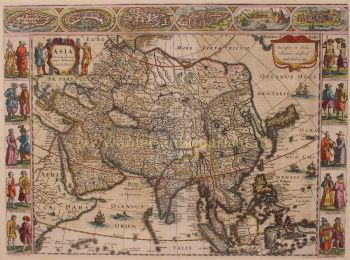
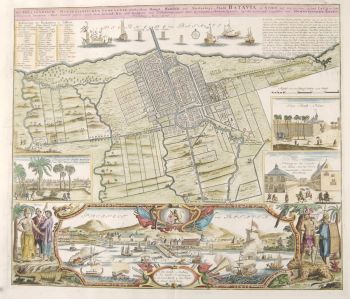
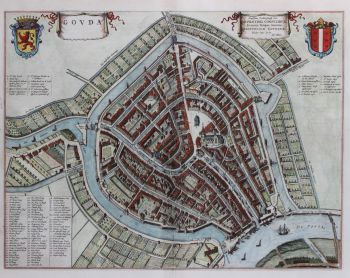
Bajo el liderazgo de Janssonius, el Mercator-Hondius Atlas se amplió y publicó como Atlas Novus. Esta edición inicial de un volumen pronto se convirtió en un atlas de varios volúmenes, complementado a pedido con cartas náuticas y/o cartas celestes. Hubo publicaciones en holandés, francés, español y latín. Al igual que sus contemporáneos, Janssonius también hizo uso de placas de cobre existentes, incluidas las de los libros de ciudades de Braun & Hogenberg y la Descripción de touts les Pays Bas (Descripción de todos los Países Bajos) de Lodovico Guicciardini - (edición Cornelis Claesz.) de 1609 Aunque a menudo se ha acusado a Janssonius de copiar el trabajo de Willem Blaeu, cabe señalar que los mapas de Janssonius también aparecieron en el mercado antes.
Después de la muerte de Janssonius, la empresa fue continuada por su yerno, Johannes (Jan) van Waesbergen, quien estaba casado con su hija Elisabeth Janssonius (1615-1681). Frederik de Wit utilizó muchas planchas de cobre de los libros de la ciudad (a veces ligeramente modificadas). El edificio de Dam Square fue alquilado a Gerard Valck; También compró una serie de planchas de impresión en 1694.




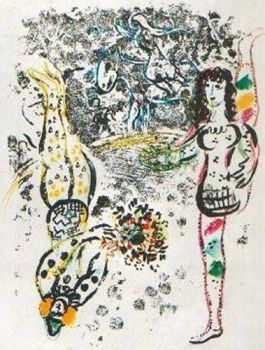
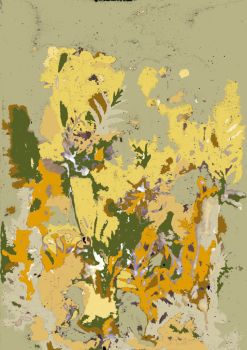

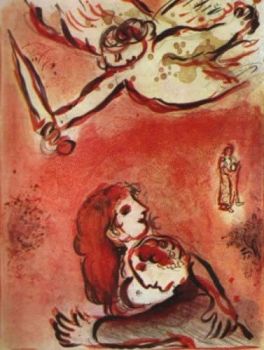
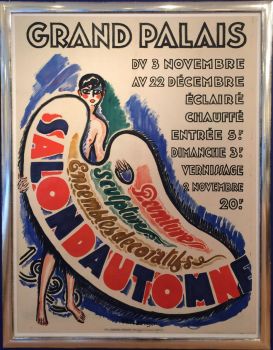












![European hunting party] by Artista Desconocido](https://media-2.gallerease.com/images/cb8cbebf-7709-4817-9bdb-fef8ae1e93cf/350x350/european-hunting-party.jpg)




![“Tentation” [temptation], lithograph by Eugène Grasset](https://media-3.gallerease.com/images/b891f1b8-508a-4829-a559-a56b7f765ca7/350x350/tentation-temptation-lithograph.jpg)