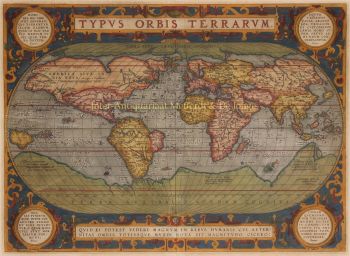
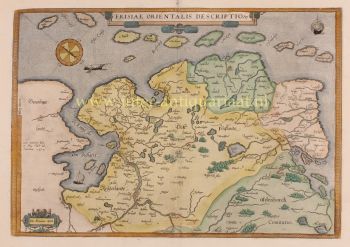
Abraham Ortelius (1527-1598) fue un cartógrafo y geógrafo flamenco, ampliamente reconocido como el creador del primer atlas moderno y uno de los cartógrafos más influyentes de la historia. Su revolucionaria publicación, Theatrum Orbis Terrarum (Teatro del Mundo), marcó un punto de inflexión en la forma de recopilar, estandarizar y presentar el conocimiento geográfico.
Publicado por primera vez en 1570, Theatrum Orbis Terrarum fue revolucionario tanto en su concepto como en su ejecución. A diferencia de colecciones de mapas anteriores, el atlas de Ortelius ofrecía una visión general coherente y sistemática del mundo conocido, con mapas de tamaño, estilo y calidad uniformes, acompañados de comentarios académicos. Este enfoque transformó la cartografía, que pasó de ser un oficio fragmentado a una disciplina científica y cultural estructurada, haciendo accesible la geografía global a académicos, comerciantes y estadistas por igual.
Ortelius vivió y trabajó durante la Edad de Oro de la cartografía neerlandesa, un período en el que los avances en la exploración, la imprenta y el comercio transformaron la comprensión europea del mundo. Junto con Gerardus Mercator, Ortelius es considerado uno de los padres fundadores de la escuela neerlandesa de cartografía. Mientras Mercator revolucionó la proyección cartográfica, Ortelius destacó en la síntesis, reuniendo el mejor conocimiento geográfico disponible en una obra única y de gran prestigio.
Más allá de sus logros técnicos, Ortelius fue un pensador humanista con un profundo interés por la historia, la antigüedad clásica y el intercambio cultural. Mantuvo una extensa red internacional de académicos, exploradores y cartógrafos, citando cuidadosamente las fuentes, una práctica inusual y progresista para su época. Esta integridad académica contribuyó significativamente a la credibilidad y la perdurable influencia de su obra.
El legado de Abraham Ortelius no reside solo en sus mapas, sino también en su visión del mundo como un todo interconectado. Su atlas moldeó la cosmovisión europea durante generaciones y sentó las bases de la cartografía moderna, consolidando su lugar como una de las grandes figuras intelectuales del Renacimiento.

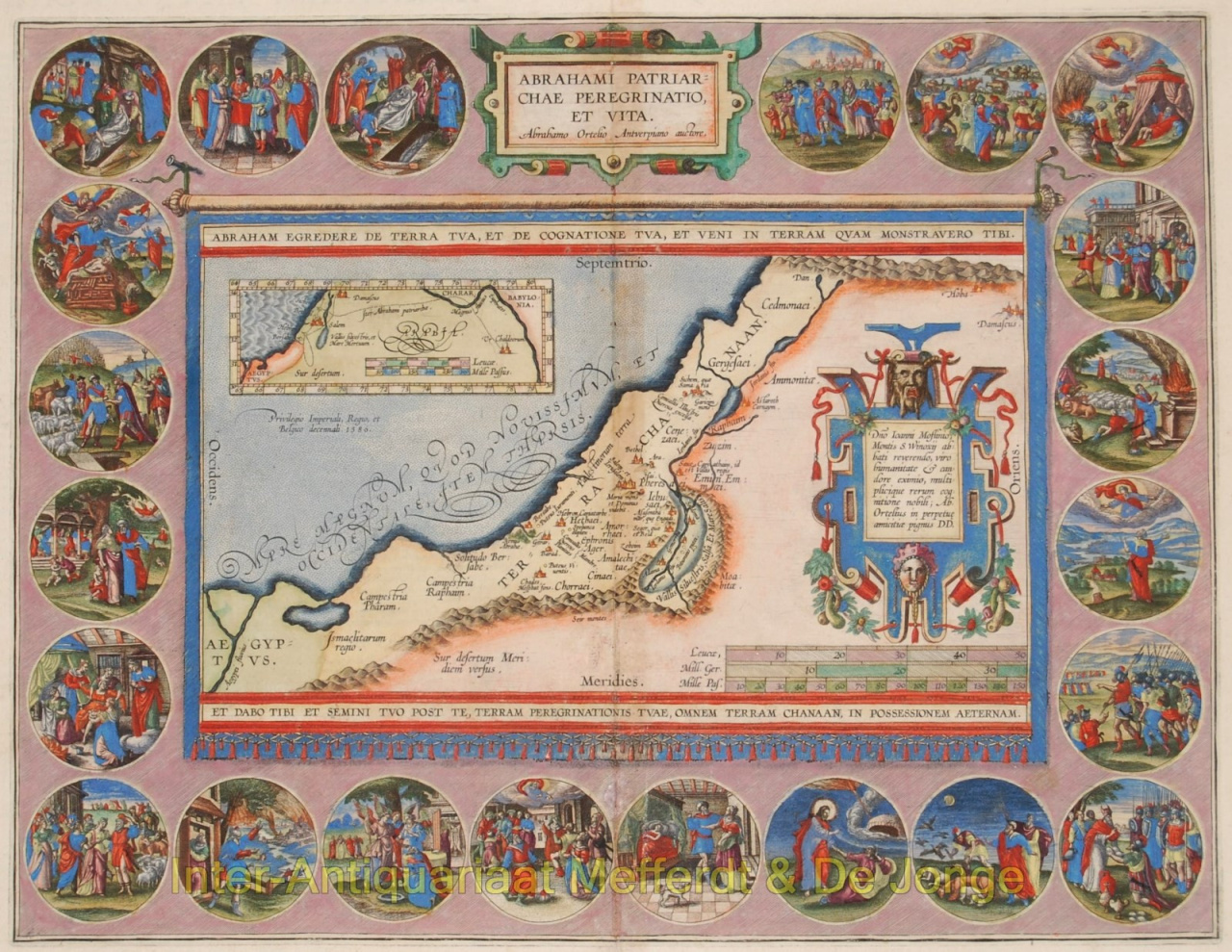









![RARE ARMORIAL MAP: LEO BRABANTIAE Lion of the most noble Duchy of Brabant] by Sibertus Waterloos](https://media-3.gallerease.com/images/325cc033-a3b6-495f-9da8-6d06caf29b14/350x350/rare-armorial-map-leo-brabantiae-lion-of-the-most-noble-duchy-of-brabant.jpg)