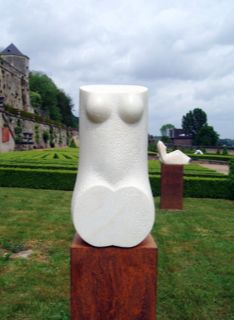
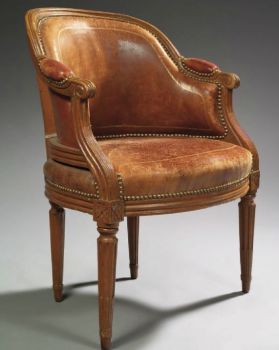
Floris Chair (1st generation) 1967 - 1969
Gunther Beltzig
105 ⨯ 35 ⨯ 59 cm
ConditionMint
€ 7.000 - 7.500
The Millen House
¿Está interesado en comprar esta obra de arte?
Related artworks

Jean-François Rauzier
Amsterdam Centraal - Limited edition of 8 2015
Precio a consultarVilla del Arte Galleries


Jean-François Rauzier
Longue Historie - Limited edition of 8 2015
Precio a consultarVilla del Arte Galleries

Jean-François Rauzier
Balade D'Amsterdam 1 - Limited edition of 22015
Precio a consultarVilla del Arte Galleries

Jean-François Rauzier
Clé de Voûte - Limited edition of 8 2015
Precio a consultarVilla del Arte Galleries


Jean-François Rauzier
Veduta Amsterdam 2 - Limited edition of 82015
Precio a consultarVilla del Arte Galleries


Jean-François Rauzier
Plafon Alhambra - Limited edition of 82014
Precio a consultarVilla del Arte Galleries

Jean-François Rauzier
Versailles, Loge Royale - Limited edition of 8 2015
Precio a consultarVilla del Arte Galleries


Jean-François Rauzier
Gótico Eden - Limited edition of 8 2011
Precio a consultarVilla del Arte Galleries

Jean-François Rauzier
Veduta Amsterdam 3 - Limited edition of 8 2015
Precio a consultarVilla del Arte Galleries

Jean-François Rauzier
Veduta Amsterdam 1 - Limited edition of 8 2015
Precio a consultarVilla del Arte Galleries

Jean-François Rauzier
Sagrada Familia - Limited edition of 8 2013
Precio a consultarVilla del Arte Galleries

Jean-François Rauzier
Cupula - Limited edition of 8 2015 - 2024
Precio a consultarVilla del Arte Galleries


Artista Desconocido
A pair of Dutch Colonial Solid Satinwood Chairs, Ceylon 18th century1725 - 1750
Precio a consultarMenken Works of Art

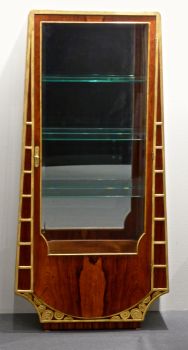


Frères Foundry Susse
Auguste Ledru – Gilded Bronze Art Nouveau Ewer-Vase – Susse Frères, Paris1898 - 1902
Precio a consultarAntiques Emporium